Traditional recipes as well as modern dishes find place in
an expatriate’s kitchen
Nilufer Ichaporia King
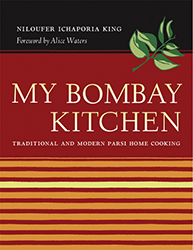
A Hindu friend from Bombay who heard that US based independent scholar Niloufer Ichaporia King (pictured) was doing a book on Parsi food (My Bombay Kitchen: Traditional and Modern Parsi Home Cooking) is said to have told her, "Well that won’t be very big, will it? Dhansak, patia and akuri!” The 2007 publication of the book by the cook-cum-storyteller includes 165 gems from both traditional and modern Parsi home cooking. Parsiana brings you a selection.

CRAB SALAD
There’s nothing like a good mayonnaise — homemade if possible — to hold crab together in a salad with other ingredients; but I’m always looking for ways to pare down fat without compromising taste, so we tend to have half mayonnaise-half yogurt dressings or sometimes just yogurt with a drizzle of olive oil.
Serve this salad as a first course or light lunch with lightly dressed greens, or as an hors d’oeuvre, with at least two big leaves per person of butter lettuce or another suitable variety, offered separately so that everyone can make their own crab-salad wraps. Serves 5-6.
Crabmeat (2-3 cups — about 1 lb, ready to eat)
Mayonnaise and yogurt (1 or ½ cup each mayonnaise and yogurt, or 1 cup yogurt plus 2 to 3 tbsp olive oil)
Green or red chillies (2-4 — fresh, finely chopped)
Green onions (2-3 — finely chopped, tops included)
 Coriander (½-1 cup — fresh, chopped, tender stems and leaves, to taste)
Salt (to taste)
Ripe mango (½-1 cup — finely diced, hard, optional)
Cucumber (½ -1 cup — seedless in small cubes, optional)
Ripe avocado (firm, cubed or sliced for garnish)
Lightly toss the crab with the mayonnaise, chillies, green onions, fresh coriander, salt to taste, and the mango and cucumber if you like. Serve with a garnish of avocado.
CORN, GREEN MANGO AND COCONUT SALAD
Home from boarding school, I would go around "spending the day” with friends and relatives. Spending the day involved showing up before lunch, which one expected to be extra-good, lolling about in the afternoon in the fashion of the house, then tea, either at home or out somewhere, or a matinee, or a swim before we were returned to our parents. My mother’s older sister, Perviz, would sometimes take me to Elephanta Caves, where I put her on the spot by asking her to explain to an 11-year-old what a lingam (phallic symbol) was. The most memorable of her lunches featured a corn salad. The corn we get in the United States is a lot more tender and sweet than the Indian and Mexican types, which are as chewy as they are flavorful.
Corn salad is a particularly good accompaniment for crab or lobster, or for grilled or fried fish, shrimp or squid. Serves 4.
Corn (3 — ears, cooked)
Green mango (1 — small, hard)
Coconut (1 cup — freshly grated)
 Coriander (cilantro) (½ cup — fresh, finely chopped, leaves and stems)
Green or red chillies (1-2 — fresh, very finely chopped)
Limes (1-2 — juice)
Salt (to taste)
Cut the kernels off the cobs. Peel the mango and dice it into cubes the same size as the corn kernels. Measure out about ½ cup and save the rest for another use.
Combine the corn and mango with the coconut, fresh coriander, and chillies, and add lime juice and salt to taste. Serve the salad soon after it is made.
Note: Only fresh coconut will do. No substitutions. If you cannot find a sound coconut that tastes sweet when you open it, leave it out of the recipe and add about ½ cup finely chopped sweet and red onion.
IRISH STEW
I can imagine the first time some Parsi woman was served an Irish stew in its original form: "Nothing wrong here that a little ginger, garlic, and a few cloves won’t fix.” That’s all it takes to transform something unremarkable into something deliciously savory. My mother’s version of Irish stew, I remember, had cloves in it but no other floating spices except sometimes a stray peppercorn. When you want something quiet but comforting and tasty, think of Irish stew.
A little grated lemon peel and finely chopped fresh coriander (cilantro) sprinkled on top just before serving give Irish stew a sprightly touch. Serves 4-6.
Lamb (1-1½ lb of breast or shoulder piece or boneless chicken thigh meat or stewing veal)
Ginger-garlic paste (1-2 tsp)
Vegetable oil (2 tbsp)
Cloves (4 — whole)
Cinnamon (1 piece — 2” long)

Black peppercorns (6)
Green chilli (1 — optional)
Onion (1 large — finely chopped)
Milk (1½ cups)
Water (1½ cups)
Salt (about 1 tsp)
Cut the meat into 1-2” pieces, trimming off every bit of visible fat. Rub with the ginger-garlic paste and set it aside for half an hour or so.
Heat the oil in a heavy deep pot over medium high heat. Add the cloves, cinnamon, peppercorns, and chilli, if using, and sizzle for a moment. Then add the onion. When the onion is soft and translucent, add the meat. Toss and stir the mixture over moderately high heat until the meat no longer looks raw. Add splashes of water to keep things from sticking and burning. Add the milk and water; the liquids should come to the top of the meat without setting it afloat. Add the salt and bring to a boil; lower heat and simmer, partly covered, until the meat is tender, 45 minutes to an hour for lamb or kid, 40 to 45 minutes for veal, or 20 to 30 minutes for chicken (it should be meltingly tender). If the sauce is still thin and the meat is cooked, remove the meat and boil the sauce, uncovered to reduce it. Return the meat to the sauce.
Irish stew with vegetables: Add cubed carrots and potatoes for the last 15 minutes, string beans and lima beans closer to the end of cooking and peas right at the end so that nothing overcooks. If you haven’t added potatoes to the stew, serve it with mashed potatoes. Or try it with buttered orzo (short-cut pasta), or wide noodles tossed with a little black poppy seed (instead of the white variety more common in Parsi cooking). You can never go wrong with fluffy steamed basmati rice, either.
TOMATO RICE
Tomato rice makes a great accompaniment to meat curries, but it is also good by itself or with meat, poultry or fish cooked in a simple manner. My mother used to make this with chopped tomatoes cooked into a sauce, but I like the brightness of grated tomatoes. Serves 4-6
Basmati or Surti kolam rice (1-1½ cups)

Tomatoes (1-1½ lb — firm and ripe)
Black peppercorns (8-12)
Bay leaf (1 — optional)
Cumin (1 tsp)
Butter or ghee (1 tbsp)
Salt (1 tsp)
Granulated sugar (1 tsp)
Wash the rice in several changes of water in a deep saucepan with a tight-fitting lid, until the water runs nearly clear. Using the large holes of a sharp grater, grate the tomatoes. You’ll probably be left with a strip of skin, which you can eat or discard.
Add the tomatoes to the saucepan. Add the peppercorns, bay leaf, cumin, ghee, salt and sugar. Slowly add enough water to come up to the first joint of your index finger when resting on the rice. Bring to a boil. Stir well. Lower the heat, cover, and steam for 15-20 minutes. Remove from the heat and let it stand, covered, for another 10-15 minutes. Fluff up gently before serving.
JARDALU ICECREAM
Most of the time, I think that the best flavor of ice cream is vanilla because it’s the perfect foil for so many fruits — fresh, in a compote, or poached. One of the few exceptions is jardalu ice cream. If you have a favorite custard-based recipe for ice cream, use it, halving the sugar and adding a cup or more of sweetened jardalu puree to the mixture before freezing it. Otherwise, simply follow these instructions for a voluptuous iced dessert with a truer fruit taste.
Serve drizzled with a little Armagnac and sprinkled with jardalu kernels if you have the time to get at them. Otherwise, strew with some lightly toasted sliced almonds. Serves 6-8.
Heavy cream (3 cups) or whole milk (2 cups) + 1 cup heavy cream
Granulated sugar (1/4 cup)
Poached jardalus (1-2 cups, pitted and pureed)
Salt
Poached jardalus
Jardalus (½ lb — about 1½ cups)
Granulated sugar (½ cup)
Salt (a pinch)
Port or Madeira (optional)
Rinse the jardalus and soak them in a quart of water for at least 6 hours or overnight. Put them in a pan with their soaking water, the sugar and the salt. Bring to a boil; reduce the heat and cook the jardalus, uncovered, until they have plumped up and darkened considerably, about 20 minutes. If the syrup is thin, remove the jardalus with a slotted spoon and reduce the cooking liquid over higher heat. Return the jardalus to the syrup and let them cool.
I like to pour some port or madeira into the lukewarm syrup. You can remove the pits before serving.
Heat the cream along with the sugar and a speck of salt. Add the jardalu puree, stirring it in gradually and tasting as you go. Use your taste to tell you when to stop. Remember the mixture has to be able to stand up to being frozen, so make it taste more vivid than if you were simply eating it at room temperature. Let it chill before freezing in your ice cream maker.