Denzil Lobo’s Mhow-Parsi Pictures is a compendium of the Parsis of that cantonment town where the community’s presence dates back to 1818. Lobo describes his book as: "A tribute to the Mhow Parsis I once knew… Several others I heard of… And many, whom I am still blessed to know.” The genesis of the idea stemmed from a photo album a Parsi friend has sent him from Ahmedabad. While browsing through it he recognized many familiar faces from his home town, Mhow, some of whom he had met through his mother Gwen who had many Parsi friends. And he decided to record their photographs for posterity.
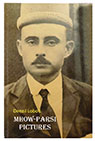
This is Lobo’s fourth book on the Parsis of Mhow, having begun his diligent research prior to 2009 (see "Memoirs of Mhow,” Parsiana, September 21-October 6, 2023). The black-and-white photographs were provided by friends whom he urged to "dig out, send, re-send, and annotate old family photos and portraits.” In his Preface Lobo thanks them "not only for their generosity, patience and warmth, but for the many little labors they undertook on my behalf, and for believing in me.” Their names appear throughout in the photo credits, along with detailed captions describing who the persons are and their relationship with the provider of the photographs.
It will be near impossible for any Parsi reader not to recognize several persons portrayed in the book… or to discover sundry sagas (relatives)! After all, there are only six degrees of separation as the saying goes; and definitely a much smaller degree in such a minuscule community.
"Beyond its gallery of prominent men — stalwarts, builders, contractors, doctors, lawyers, army officers, philanthropists, legends — this book has become a small archive of Mhow’s remarkable Parsi women,” acknowledges Lobo.
Denzil Lobo: friend of Parsis
In his Foreword, Kooverji Gamadia of Bombay writes that he came across Lobo’s books while he was documenting his own family’s history. "Scholarly works on the Parsis generally cover Parsi history, or prominent individuals and families, and I am not aware of another work like Lobo’s… Mhow was a lesser known Parsi enclave, usually out of sight of the Bombay Parsi’s mind, and hence the importance of … chronicling this aspect of Parsi history which would otherwise be lost.”
The self-published 232-page book is printed on glossy art paper. Some of the photographs are grainy, but that is perhaps because they are very old. There is no mention of price, but Lobo may be contacted by email at: lobo.denzil@rediffmail.com..
S. V.