January 8, 2017 will be noted as a landmark day in the history of the Parsis. Despite protests from the high priests and others, the Navsari Anjuman took the bold decision of building an aramgah next to doongerwadi lands. This was required long back even though some Parsis still maintain that the dakhmas are functioning properly according to our tenets. This is eyewash. The Navsari Anjuman stood firm in opting for an aramgah, proving that dakhmenashini has failed.
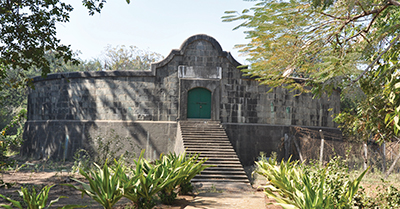
The Navsari Anjuman has given Zoroastrians the option to choose their preferred system of disposal and shown concern for the bereaved families by not forcing them to use the dakhma as per the diktats of others. Every individual has a right to choose his or her own method of disposal, as I have seen during the past 16 months as a coordinator at the Prayer Hall in Worli, Bombay.
When I contested the Bombay Parsi Punchayet trusteeship elections 10 years back it was part of my agenda to build an aramgah on Doongerwadi land in Bombay. One contestant mocked me by calling me dafanpaksh (proponent of burial). Today I am glad that at least in Navsari the deceased can avail of dignified disposal and I hope that other anjumans will follow. At last good sense has prevailed and Parsis can move forward rather than obstructing future progress.
Ervad FRAMROZE S. MIRZA
fsmirza@rediffmail.comWhen Zarathushtis can enter a dadgah, adarian and atash behram, why can lay persons not enter a "sacred, consecrated religious institution” like the dakhma? Why are pall bearers expected to remain in segregation/isolation and are enjoined to take a nahan? Whether they actually undergo nahan periodically or not is another matter.
According to my limited knowledge, the chotra (separate well to consign bodies of women who die in menses or childbirth and for consigning severed limbs) has been abandoned. Would a dakhma remain pure if the corpse of a female in her periods or post-delivery had been consigned to this highly sacred place?
As per Fargard 4 of the Vendidad on contracts and offenses, "Verily I say it unto thee, O Spitama Zarathushtra! the man who has a wife is far above him who lives in continence, he who keeps a house is far above him who has none; he who has children is far above the childless man; he who has riches is far above him who has none.” Does this not mean that single bawas and bawis are breaching tenets of the Vendidad?
The Vendidad also prescribes that when a Zarathushti cuts his nails and hair, he/she is expected to bury the same. Also, according to the Vendidad, a mobed performing higher liturgical ceremonies should not shave. Are these things being observed today? If not, why is there selective reliance on the Vendidad?
I was amused to read that it takes soul almost a century to reach Chinvat Pul if the corpse has been cremated or buried. Does this mean that Zarathushtis living abroad and in cities other than Bombay, Surat and others that have dakhmas, do not reach Chinvat Pul? Is there proof of the "torment” experienced by these souls? I don’t know what the writers of such articles think. Surely the community does not comprise a bunch of fools, as they presume, to accept such nonsense.
The uthamna of the late J. R. D. Tata was performed at Bombay’s Doongerwadi by Dastur (Dr) Kaikhusroo JamaspAsa. If sacraments for those buried or cremated are ineffective, then why did this high priest participate in the uthamna of a person interred in the Père Lachaise Cemetery in Paris? HOMI DALAL
homeedalal@gmail.com