It is time for this column to end
Berjis Desai
This column appeared, with a solitary break, from April 2014 to August 2017. This is its 81st and last avatar. It has pontificated on the Parsi way of life. It has covered topics as diverse as maids, mothers and murders; legho, liquor and lagan nu custard; sex, superstitions and swear words; fish, fertility and funerals; goondas, ghelsappas and gadheras; noses, nataks and nostalgia; insanity, the occult and xenophobia. We have enjoyed laughing at our eccentricities and idiosyncrasies. We have felt misty eyed about the disappearance of Polson butter, Navsari mohallas and decent trustees.
This column has consciously eschewed straying into Parsi politics. Nor did it adopt a crusading tone or advocate the reformist cause. Readers of the "Parsi Tari Aarsi” column in The Bombay Samachar, edited by this columnist from 2002 to 2013, initially thought that this column too would discuss Bombay Parsi Punchayet issues. Barring a handful, most were delighted that it did not. It was more interesting to learn how to make aambakalyo and oomberioo than how to elect a trustee. Even the prudish were happier to understand the nuances of GC (an untranslatable word) rather than be obsessed with the CC (charity commissioner) or what the GCs were doing at the CC.
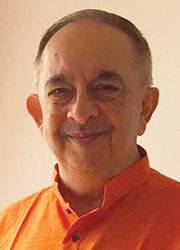
Berjis Desai: nose for nostalgia
In the past, we have experienced a column being edited (no, mauled) for the wrong reasons by non editors. The editorial team (of this publication) were immaculately professional. We often got away with blue murder, thanks to the editors’ distaste for any kind of censorship. Despite constraints on time, the manner in which they verified facts was exemplary. On behalf of all our readers, we are truly grateful to the editors. Some Gujarati idioms were untranslatable; however, we collectively tried to explain the essence to this publication’s many non-Gujarati-understanding readers. That was fun.
This column has expounded on how Parsis think, swear, eat, drink, kill, pray, feel and fornicate. So that juddins too can appreciate our tiny tribe, we intend to collate these columns. Hopefully, with the grace of Ahura Mazda, it will be published soon. Till then, we will take a break. If the editors of this publication are suckers for punishment, they may decide to invite us to contribute a new column, perhaps on Parsi profiles.
Terribly hackneyed though it may sound, we were enthused by some great reader response. This electrified us to churn out more exotic and barmy stuff. We assure you that every incident recounted was true, however improbable it may appear to a normal human. Our longtime secretary, one of the finest gentlemen from Kerala, genuinely believes that Parsis are not from this planet. After reading this column, he has started to harbor doubts about the sanity of both the columnist and his subject matter.
As this column evolved, it unconsciously acquired an agenda: to showcase Parsi cultural vignettes in an entertaining manner for the benefit of the young, as also those interested but not well versed in Gujarati. The hope was to make the hitherto indifferent take interest in community issues. Often this column was read by non-Parsis (a lawyer colleague created a blog) whose reaction too egged us to publish these columns in the form of a book.
Fast forwarding the columns reveals a community which is not too worried about its imminent extinction; which still retains its joie de vivre and is loved for that, by others; mostly robust, pragmatic and honest (though a few prickly egos surface in the media with their shenanigans); pleasantly eccentric and highly individualistic. A community worth preserving for anthropological reasons. If the columns contributed to Parsis understanding themselves and their cultural heritage better, they would have achieved their purpose. If each of us does something (however small) to prolong our existence, we will survive.
Berjis M. Desai is a lawyer in private practice and a part-time writer. He considers himself an unsuccessful community activist.