The earliest known record of Zoroastrian literature in the USA was a French translation of the Zend Avesta in the collection of the former president of Yale University, Rev Ezra Stiles in Rhode Island (RI) in 1722, according to Dr Jenny Rose, the adjunct professor in Zoroastrian Studies in the department of religion, Claremont Graduate University, USA. The scholar was speaking on "The World Becomes Round: Cultural And Commercial Encounters Between Parsis And Yankees In The Late 18th And Early 19th Centuries” at The K. R. Cama Oriental Institute (KRCOI) on February 23, 2018. Adding that Stiles was exhorted to place the book — a mix of explanation of ceremonies and anecdotes — in the Redwood Library in RI, Rose said "he obviously wanted a lot of people to read it.”
The first American vessel docked in "the newly developing city” of Bombay in 1788 from Salem in Massachusetts via the Isle de France (present day Mauritius), said Rose. Displaying an image of a customs permit, Rose explained that the vessel contained 248 bags of cotton and 40 pounds of indigo (tropical herbs or shrugs). The next vessel to dock the following year was also from Salem and the captain "found a local Parsi agent — Nusserwanji Wadia.” This association with the grandson of master shipbuilder Lovji, "set the trend for Yanks to work closely with Parsi merchants” who carried goods onwards to Canton and Malacca on behalf of the Americans, said the academician.
A portrait of Nusserwanji Maneckji Wadia (1753-1814) that is on display at the Hall of the East India Marine Society (now part of the Peabody Essex Museum) in Salem "was probably by a Chinese artist,” she said. Nusserwanji also sent a set of "Parsi” clothes and slippers for the Society’s collection, the scholar added, displaying images from the collection. To become members of the Society, captains of sea-going vessels had to "sail around the Cape of Good Hope at least once, and write an account of their journeys,” describing in detail "people and their characteristic dresses.”
While the Society commissioned a wooden figure of Nusserwanji, the scholar explained that their collection includes a 5ft x 5 ft "moon shawl” made from "beautiful striped muslin” presented by Nusserwanji to a Capt George Nichols who did business with him. "Business relationships became personal relationships,” said Rose, adding that very often Parsi agents were asked to recommend other agents who the Yankee shipmasters could rely on.
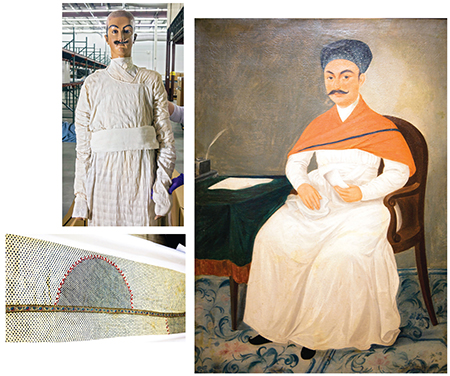
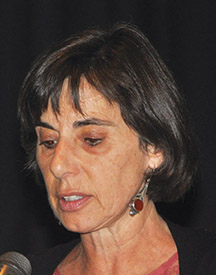
Top, right: Dr Jenny Rose; clockwise from above: wooden figure, Peabody Essex Museum (PEM) E9934.B;
portrait of Nusserwanji Wadia, PEM, gift of John R. Dalling, M245 (Photo: Jeffrey R. Dykes);
Cashmere shawl, PEM, gift of the estate of Charlotte Sanders Nichols
Nowroji and Jehangirji, sons of Nusserwanji, continued to build relationships with the American mariners who traveled to India. The scholar’s research indicated that one Cursetjee Waya (Wadia) even organized talks for American captains of vessels that docked in Bombay and took some on "an expedition” to Poona. The detailed documentation of this trip (including details of what was eaten at each meal) are on display at the Peabody Essex Museum. The scholar’s research at the Museum also revealed a link with another Parsi family — the Dadysetts, who a Capt Dan Olney called "by far the most influential merchant.”
What were the items of trade between the Yanks and the Parsi agents? "Rum, beer and candles,” came into Bombay, and what went over to America were spices, cotton rags (for making paper), buffalo horn (for combs), wood and black wood furniture. Academician Prof Farokh Contractor, who was in the audience, reminded those present that a building that stood at the current location of KRCOI was used to store ice imported from America!