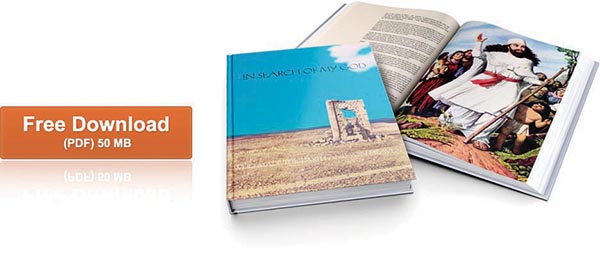
Left with only a few hard copies of her father Jal E. Ruttonsha’s 300-page hardbound book In Search of My God that was published in 1978, Havovi Ruttonsha Khanna decided the best way to preserve it would be to have it scanned digitally. With her sons Jahan and Sharuk urging her to put it on the internet where it could be freely accessed by all, a new website
www.insearchofmygod.com was launched a few months ago. Since then, "the book has been downloaded over 1,500 times and the site has been visited by thousands more from all over the world…and this has all happened only through word of mouth,” declares an exultant Khanna.
The colourful photographs and illustrations that enlivened the print pages feature on the website too. Starting with a chapter on Spitama Zarathushtra, the book takes the reader through the Achemenian, Parthian and Sassanian dynasties, the arrival of Parsis on the shores of India, and offers an understanding of the Gathas as also some other basic prayers, rituals and ceremonies. "Now it is even more complete because it has a fully interactive table of contents and also has audio recordings of our prayers so you can read/learn them for yourself,” mentions Khanna, hoping that "people will enjoy it even more in this new format.”
"This book will live or smoulder in the dust by the truths it unfolds and the way it portrays them and provokes a parent into using (them). This book… was conceived with the hope that it would bring parent and child together at least once a week so that a communion between them is established and maintained. It is intended that you read for 10 minutes from this book and spend another 20 minutes explaining with loving care what you have read. These 30 minutes may well become the most precious moments of your child’s life and yours as the years go by,” the author had urged 35 years ago.
Keen that the younger generation derives maximum benefit from this book, Khanna is equally eager to see them "stand up and speak up about what they wish to see happen within their community rather than be sidelined by folks who differ from them and have louder voices or more power.” Children of interfaith couples should have the freedom to practise the Zoroastrian religion freely, believes Khanna, stressing, "We have lost an entire generation of children from our community because it was not easy to find priests to perform these navjotes or agiaries that welcomed these children or due to the sheer indifference of the parents…I have one simple message to those who are married to non-Zoroastrians and would like to get their children’s navjote done. Just go ahead and do so…However make sure to reward these enlightened priests generously. They deserve much more than just verbal support.”
Yet another message penned on November 1, 1977 features prominently on the website under the section, "The Lost Generation — a generation of children lost from the Zoroastrian community to other communities that welcome them with open arms.” Even those who do not opt to download the 50 MB book can read it:
"The Parsis, as I see them now, are empty shells. We have not even wept or shed a tear at the passing of the Zoroastrian flame within us and it confounds me that we lament at the thought of the anticipated passing away of the casket (and an empty one at that) and even agitate ourselves to such great lengths as to how this immaterial object is to be disposed of…
"Turn around from looking at the dead. Look at the living — look at the wider scope of the future — look at the children and the young people — they are the wealth of the community — but without doubt, a Lost Generation. I have no wish to raise a controversy — we are a great community but our strength is tied up in controversies and dissipated by indifference. Can we not put all this in abeyance?… The Lost Generation needs all our thoughts and care. The question of the hour is how to save its members? How to give them a sound knowledge of the Zoroastrian ethic? How to inculcate in them a pride in being a Zarthosti?...”
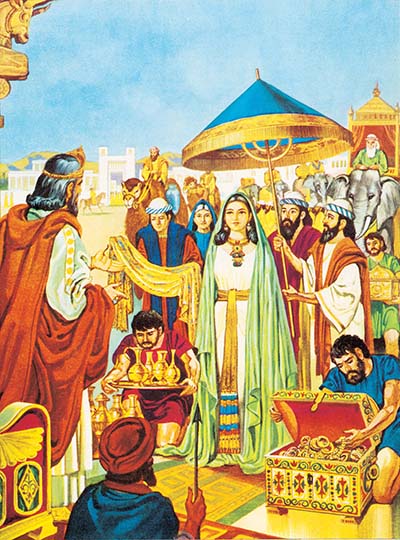
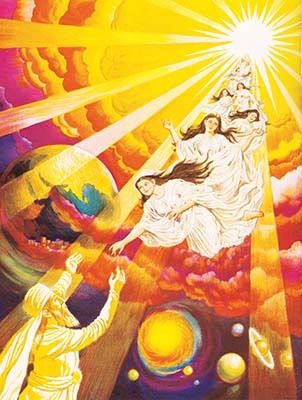
Visuals from the book depicting The Prophet, The envoy and Sam, The last call
Cutting of the cuneiform and The insignificant sugar
In the summer of 2010 Michigan based Khanna read "numerous articles in Parsiana and blogs online and couldn’t believe that these issues from years ago were no closer to being resolved. The community was as fractured as ever. I read many posts from young people in high schools and colleges which were questioning some of the basic tenets of our religion and…yearning to get to know their religion better… Through this book I hope they read and understand the beauty and sublimity of Zoroastrianism.”
Acknowledging the "generous help at every step of the way” she mentioned Fred Poonawalla of Comart Lithographers who scanned the book into a digital format, Ervads Jimmy and Rayomand Ravji of Chicago who assisted in the audio recording of the prayers section and Matt Harper from Artonic web design "who brought this project to life.”
Although the book can be downloaded free of charge, the website recommends a donation of US $ 20 to the Critical Assistance Fund of FEZANA (Federation of Zoroastrian Associations of North America). The link to the book website is also available from the FEZANA home page.