How to tackle the challenges of aging in the community
Homi Katgara
The terminology surrounding arrangements for elderly care increasingly emphasizes "assisted living facilities” or "care homes” rather than the outdated terms like "old age homes” or "old folks homes.”
Numerous Zoroastrian trusts are mandated to allocate financial assistance exclusively to community members. It is essential for these trusts to extend their support to the aging population to facilitate their well-being. Unfortunately, several assisted living facilities remain underutilized due to dwindling community numbers. Maintenance of these homes poses a significant challenge, as many affluent community members opt against utilizing such facilities, leaving a financial burden on those who require assistance but lack the means to afford it. The community often seeks high-quality services without recognizing related high costs, creating further difficulties in sustaining such homes.
To address these challenges, it may be beneficial for healthcare institutions, trusts and philanthropists to collaborate in establishing a unified Zoroastrian home equipped with necessary medical facilities. The Masina Hospital has always had a Parsi Ward and recently a Neuro Rehab Center was inaugurated with special packages for the community.
Caring for the elderly is a collective endeavor that extends beyond individual or familial duties; it embodies the core values and compassion of the community, acknowledging that everyone will eventually face the challenges of aging.
Elderly individuals often encounter a range of issues, including health complications, mobility impairments and feelings of social isolation. Their needs can be broadly categorized into three areas: emotional support, physical care and financial support.
Addressing loneliness through regular communication and community engagement is crucial. Support groups can provide a platform for elderly individuals to connect and share experiences.
Entertainment for the seniors
Assisted living facilities and home care services are essential for providing daily assistance, medical care and companionship. For example, aging residents living on higher floors now have options of staircase lifts which are being deployed in some of our baugs and offered on request to residents. However the requirements would soon exceed the availability and hence more such facilities should be made available.
Apart from this there should be doctors available within the baugs, who can be reached in an emergency, even if they are not treating the individuals otherwise.
The financial demands of caring for the elderly often burden family members. To alleviate this, proactive financial planning and the utilization of community resources, including partnerships between trusts and hospitals, are vital.
The responsibility of elderly care demands a strong community framework. Communities must improve accessibility by enhancing public spaces and ensuring compliance with regulations that facilitate mobility for elderly residents, such as the installation of elevators, ramps for wheelchairs, etc.
Programs offering respite care can relieve family caregivers, while educational workshops can equip them with the knowledge necessary for effective elderly care.
Technologies should be developed to help elderly individuals maintain their independence while ensuring their safety. Services such as telehealth can provide remote healthcare consultations, while apps can connect seniors with resources.
As the elderly population grows and the workforce diminishes, innovative funding strategies are imperative.
Individuals should be encouraged to secure insurance policies that will provide financial security for future healthcare needs.
Crowdsourcing within communities can create resources for local elderly care services, reinforcing a sense of shared responsibility.
As we confront the complexities of caring for an aging population, both individual and collective action is essential. Encouraging family communication, promoting inclusive community initiatives and reforming financial support systems can foster an environment that genuinely cares for and respects the elderly.
In conclusion, the care of elderly individuals transcends family obligations, involving collaboration among individuals, families and the community. By implementing thoughtful measures and innovative solutions we can facilitate a happy, healthy and dignified life for our aging population.
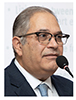
Homi Katgara is the managing trustee of Masina Hospital that recently introduced the Neuro Rehabilitation Center to address the rising incidence of neurological problems in the Parsi community. He has been serving as advisor on the health panel of the Global Council of Zoroastrians Trust that oversees the wellbeing of the worldwide community. He is a fourth generation partner of the 125-year-old logistics business, Jeena and Company, and oversees numerous philanthropic activities.