"When the two (artists whose work is being exhibited) also happen to be father and daughter, and key members of the art movements of their time, the exhibition assumes something of a unique status,” stated a press note on behalf of Chatterjee and Lal art gallery
about their show on the works of Rustom Siodia and his daughter Cumi Dallas. Titled "Resemblance: The Art of Rustom Siodia and Cumi Dallas,” on display at the art gallery from July 12 to August 24, 2024 were 40 works of the duo in mediums that included watercolors, oil on canvas and graphite and ink on paper.
Gallerist Mortimer Chatterjee told Parsiana after the show ended that "‘Resemblance’ is an important addition to our growing series of exhibitions focused on art-making practices in the 20th century in India… We feel particularly fortunate to be exhibiting Rustom Siodia and Cumi Dallas: in one family we are able to trace the development of styles and trends that were alive in Bombay prior to, during and after independence.” He added, "Siodia should be remembered for his contribution to the Secretariat murals in Lutyens’ Delhi during the late 1920s… Dallas, at the peak of her career in the 1950s, must be ranked alongside two other Parsi women artists — Pilloo Pochkhanawala and Nelly Sethna — as one of the most sought after artists responsible for public and corporate art commissions. With the coming of modernist art movements, in particular abstraction, the reputations of Dallas and Siodia suffered, and indeed after their deaths there have been no serious attempts to evaluate their careers.”
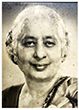
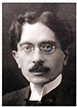
(Top, r) Rustom Siodia; (above) Cumi Dallas:
depicting Bombay art styles and trends
Above l: Rustom Siodia’s untitled landscape, 1924;
above r: Cumi Dallas’s untitled portrait of a woman
wearing jewelry, 1937 Photos: Chatterjee and Lal
"It is usually the Progressive Artists’ Group (PAG) who are in the limelight for their work. This leaves out a large swathe of time from the city’s artistic journey,” the gallerist told mid-day on the eve of the opening, while referring to the duo’s artistry. PAG, formed in 1947, was a group of modern artists based mainly in Bombay.
Painter, illustrator and essayist, Siodia (1881-1946) was the first Parsi and the second Indian ever to study at the Royal Academy, London and was a student of reputed American artist John Singer Sargent (see "Spotlight on Siodia,” Parsiana, December 7-20, 2020). The artist was known for his portraiture, landscape and historic paintings. Dallas (1907-1973), a graduate of the Sir Jamsetjee Jejeebhoy School of Art in painting in the early 1930s, was a "leading exponent of the Bombay Revival school of painting” which synthesized different aspects of indigenous painting like Indian miniature traditions and the Ajanta paintings. She held numerous solo exhibitions in India and the UK, including at the National Gallery, London in 1950 and was known to have portrayed the Queen of Iran, and a likeness of Bhikhaiji Cama which was installed in Parliament. "‘Resemblance’ marks an important moment in… arguing for (Siodia and Dallas’) place in India’s art history,” stated Chatterjee.
The gallery Chatterjee and Lal was formed in 2003 by husband and wife team, Chatterjee and Tara Lal.