The alleged murder of US based Zarathushti priest Mobed Arash Kasravi (pictured on pg 36) in Kerman, Iran on July 24, 2020 has resulted in Zoroastrian organizations globally and associates of the deceased demanding that Iranian authorities be pressurized to mete out speedy justice to the perpetrators of the crime. Mobeds and paramobeds who had officiated with Kasravi at religious 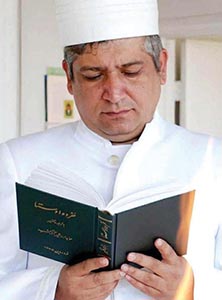 ceremonies in California remember him as being kind and respectful to all.
A statement issued by the Federation of Zoroastrian Associations of North America in end July described him as "a highly respected member and religious leader of the Zarathushti community in southern California.” The statement further urged "Iranian authorities to continue their investigation into Mobed Kasravi’s murder and that of his two companions with expediency, transparency and due diligence. While nothing can bring him back to his family and community, those responsible for (the) killing…should receive swift justice.”
Kurdistan Zoroastrian representative at Awqaf Ministry for Religious Affairs Awat Husamoldeen "condemned this heinous crime and called upon the Iranian government to open a serious investigation” to ensure the criminals receive "just punishment.”
According to social media posts, Kasravi had gone to Iran to seek redressal on the demise of his father who he learnt was killed over a land dispute. Even before he could find a lawyer willing to pursue the case, he reportedly started receiving threats to his life. After going missing for several days, the bodies of Kasravi and his two companions were allegedly found in a villa in Mahan district, Kerman, according to Iranwire.com.
As per the customary laws in Iran, if a Muslim kills a non-Muslim, he can pay a minimal amount of ‘blood money’ and not be imprisoned for the crime. "We call for the Parsis in India to do whatever they can to raise awareness to the plight of the Zoroastrian community in Iran and to hold the Islamic Regime accountable for their criminal actions,” wrote Darius Dharsi, president and founder of the University of British Columbia Zoroastrian Student Association, in an email to Parsiana. He further wrote, "Parsis saved the Iranian Zoroastrian community in the 19th century when the community was suffering horrific persecution under the Qajars. The Parsis sent Maneckji Limji Hataria to assist them and to lobby the Qajar king, and Parsis also got the British government to successfully persuade and pressure the Qajar king to end the jizya tax and other discriminatory laws against Zoroastrians. Once again the Zoroastrians in Iran require Parsi assistance… The Zoroastrians of Iran are completely defenceless and have no means to stand up for their rights or to protect themselves.”