All government-aided private hospitals in the state run by public charitable trusts will be required to add "charitable” to their names so that poor patients easily know they can avail of free or concessional treatment under the reserved quota, according to a new order of July 19, 2018 issued by Maharashtra state Charity Commissioner (CC) Shiv Kumar Dige. Reportedly, there are more than 400 such hospitals in Maharashtra, including over 70 in Bombay.
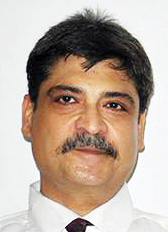 The CC is of the view that since the word "charitable” does not appear in the names of these hospitals, poor patients are often clueless whether these are charitable hospitals or not. But if "charitable” or "dharmaday (charitable)” is added to the name of these hospitals, there would be no doubt in the minds of the patients wanting to be admitted in these hospitals. In September 2017 Dige, pretending to be a poor patient, had visited Nanavati Hospital and was denied admission. Subsequently, he ordered a criminal case against the trustees of this Hospital, noted Centre for Advancement of Philanthropy (CAP) chief executive officer Noshir Dadrawala (pictured) on the Centre’s blog.
As per section 44A of the Maharashtra Public Trust Act, private charitable hospitals are mandated to reserve 10% of their beds for poor patients (whose annual income is below Rs 85,000) and 10% cent for economically weaker sections of the society (individuals whose annual income is less than Rs 1.6 lakhs).
"In our opinion, orders like this smack of judicial activism…Instead of judicial restraint quasi-judicial authorities like the CC are becoming activists and are compelling or attempting to control organizations which they are only supposed to regulate within the frame-work of the law,” said the CAP blog. On a practical note, the blog notes that "the CC does not seem to have taken into consideration the fact that official change in name would mean obtaining a new Permanent Account Number (PAN), changing the name in all bank accounts and (complying) with all other regulatory bodies.”