Producer, composer and synthesizer player Sanaya Ardeshir’s
music is an exotic hybrid of various
organic and electronic
elements
Khordad V. Edulji
"I think the internet has really made it possible to reach out to the right people and develop an audience around our sound. It’s still an interesting challenge to get the music out to the right ears and promote our gigs, but we’ve come a long way,” says Sanaya Ardeshir, or Sandunes as she is better known in the music world, a Bombay based producer, composer and synthesizer player.
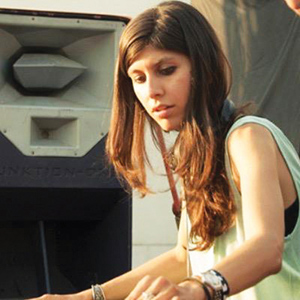
From jazz and blues, to London underground sounds, her music blends various organic and electronic elements into an exotic hybrid zone with a unique South Asian feel.
"I play all kinds of sets, I DJ (disc jockey), and I also play live. I also have a couple of channels on which I loop (repeat sections of sound material) synths and live parts. It’s a much better situation today than it was, say five years ago. There’s been a steady development of a unique culture around the consumption of music — from live electronic bands to singer/songwriters and DJs,” she adds.
Sandunes has been performing live extensively in Indian cities as well as abroad in Sri Lanka and Germany, and twice in the US in 2016. Last year, 26-year-old Ardeshir was invited to the US as part of the Dosti Project, an initiative of the US Embassy in Pakistan that brings 10 musicians from India and Pakistan together with artistes from America to hone their skills and collaborate on performances around the country.
After that Sandunes released "Perfectiming” in conjunction with drummer/percussionist Jivraj Singh. She and Singh have been playing live as a duo in electronic music club venues. "We’re working towards further developing our live act and taking the project on the road a lot more this year,” she informs us.
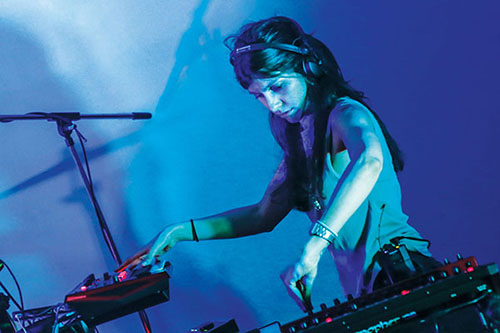
Sanaya Ardeshir: blending music Photo: Jishnu Chakraborty
Her album "Unfinish” that mixes meditative sounds with electronic beats was the outcome of her losing two of her hard drives "and all the music I had been working on for the past couple of years.” Left with unfinished low quality MP3s she decided to get them mastered as an ode to her hard drives. As she further expressed, "I think letting go is an important part of the creative process. And to me it feels like the mean point between loving it and then not-so-loving it is where the mix is probably done, and the track is probably finished. Music is such a subjective thing — it can be really hard to decide when it’s done!
"These days I decidedly do no mixing until I feel like the track is in a good place in terms of its content and arrangement... I try really hard to utilize a clean process and spend as little time mixing one track as possible, toggling between different projects and taking frequent breaks.”
Frequently featured in the media, Sandunes’work has been recognized in India and abroad by VH1 India, Border Movement, The Wild City, Inner Soul Music, Vogue, Platform M\magazine, Homegrown, The Big M, Roundhouse radio (UK), RadioEletrica (Brazil), Radio one (India). In 2013 she was featured as an artiste to watch for in Rolling Stone magazine. She was booked for her first performance in Bombay in 2012. The same year she released a two-track EP (extended player) titled "Temper Tonic.” To finance her sound projects like the "Exit Strategy” video, she used "Wishberry as a crowd funding platform, and reached out to as many people as we could through our social media channels. We managed to achieve our target amount in a week.”
She collaborated with the legendary Indian rock band, Indus Creed, in 2013 as part of Fox Life’s "Sound trek,” a series documenting musical collaborations. Other collaborations include live and studio projects with Paralights, Squidworks, OX7GEN and EZRiser. In 2013, she formed the band Dualist Inquiry along with Sahej Bakshi and Singh and played on large stages at the NH7 Weekenders, and Bass Camp festivals in India. Sandunes has played at festivals like Magnetic Fields, Sunburn, and Amby Valley’s Enchanted Valley Carnival in India, Fusion Festival in Germany and Pettah Interchange in Sri Lanka.
"Ever Bridge” was Sandunes’ independent art and music project for which she worked with several graphic artists and designers to portray subjectivity and freedom in music. "‘Play it forward’ was an idea that was inspired by my time at a music residency called 1beat in the US in 2014. It aims to create infrastructure for community artistes across the city to engage with children from diverse backgrounds through the music making process.” Serving as a mentor on their plot phase, Ardeshir used "music making technology to instill creative expression, self confidence and empower them.”
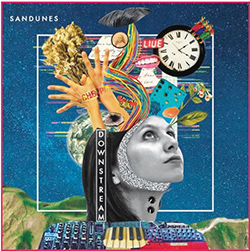
Born in Jamshedpur, Sanaya mentions that her parents Gool and Jehangir have always been very supportive. She is a proud Zoroastrian who would take pride in being called a good human being. Whilst she loves Parsi food, being a vegetarian she "prefers dhan dar and brinjal paatio” to dhansak and patra ni macchi.
It is her upbringing as a pianist and keyboard player that allows her to create emotive beds of sound. She first started out as a keyboardist in 2005. Although she has a degree in Economics from St Xavier’s College, Bombay, she knew that it was music that she wanted a career in and did a course in music production from Point Blank Music College in London. Here she "was taught and mentored by some really excellent teachers and producers, and learnt in a studio environment, in a formal manner for the first time. It really helped me understand the foundations and techniques of production and also exposed me to many diverse methods of presenting and playing my music live.” She names "Anderson.Paak, The Internet and Moonchild” as her favorite artistes/bands and recommends the reading of Musicophilia by Oliver Sacks and The Art of Learning by Josh Waitzkin to prospective musicians/producers.
Rather than follow a particular structure, "I just do what feels and sounds good. That’s been a good rule to have... I like to have the same sounds/components running through a release. Although this hasn’t always been the case, it’s definitely something I’m focusing on more now. It feels like that’s a really great technique to glue the release together and marry one track to another — not important, but certainly enjoyable if someone is listening to the whole body of work.”