"It is nothing short of a (pleasant) surprise…that the Egyptian vulture (pictured next page, Photo: Wikipedia) is successfully breeding within a human habitation in Punjab and, more importantly, has become a resident species,” T. K. Roy, an ecologist and
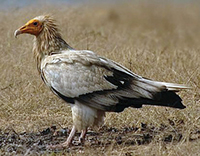
Delhi State coordinator at the Asian Waterbird Census, told The Hindu. The newspaper was reporting on July 7, 2017 on the breeding of the rare and threatened Egyptian vultures in a human habitat at the Punjabi University campus in Patiala.
"Within a two-year period, between summer-monsoon 2015 and summer-monsoon 2017, its (the specie’s) population has increased from one breeding pair to eight individuals at present…This scavenger has found an undisturbed and safe roosting space here on the campus and hence it is breeding successfully,” Roy said.
According to BirdLife International, a global partnership of organizations working for the conservation of birds, the present worldwide breeding of the Egyptian vulture (Neophron percnopterus) is estimated to be 12,000 to 38,000 individuals. The species is one among the globally threatened found in India and is classified under the ‘Endangered’ red list of the International Union for Conservation of Nature, said the report.
Egyptian vultures usually nest on cliffs, roofs of buildings and on tree-tops. The species rarely hunt its food — the birds mostly feed on carcasses of animals, birds and reptiles. They eat eggs and sometimes, in the absence of animal carcasses, switch over to household solid waste like rotten fruits and vegetables, said the report.