In a move to protect vultures, the government has banned the sale of ketoprofen and aceclofenac, two pain-relieving veterinary drugs used for treating livestock. The ministry of health and family welfare in a notification dated July 31, 2023 prohibited the manufacture, sale and distribution of these two drugs. The notification added that safer alternatives are available. Another painkiller, diclofenac, was banned in 2006, but reportedly continues to be used to treat livestock. Vultures were once the integral factor in the disposal of the Parsi dead at the towers of silence.
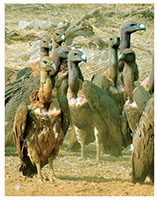 The two drugs are harmful for cattle and kill vultures that eat the carcasses, leading to an ecological imbalance. "This was discussed during the 89th meeting of the Drugs Technical Advisory Board (DTAB), which operates under the Central Drugs Control Standard Organization,” stated the Mint on July 2.
"After careful deliberation, DTAB reached a consensus to impose a ban on the manufacture, sale and distribution of ketoprofen and aceclofenac, as well as respective formulations intended for animal use… Ketoprofen and aceclofenac in cattle is equally toxic as diclofenac… Study showed that aceclofenac was rapidly metabolized to diclofenac. Ketoprofen is toxic to Gyps vultures,” according to the minutes of the meeting, reported the Mint.
The Bombay Natural History Society (BNHS) had written to the union Ministry of Environment, Forest and Climate Change on March 14, 2022 urging it to ban the use of ketoprofen and aceclofenac and also nimusulide, fearing that "use of these drugs will undo the center’s two decades of work to arrest the dwindling vulture population in the wild (see "Vulnerable vultures,” Events and Personalities, Parsiana, May 7-20, 2022).”