"The scientific side of things allows you to do what you are trained to do, what you can do, what your technology allows you to do; and the esoteric side of things is your belief and your faith and how firm you are with it. Conflict would arise if you thought one or the other was wrong whereas for me both are right,” asserted Dastur (Dr) Jamasp JamaspAsa (pictured, pg 14, Photo: Dolly Divecha). He was responding to a query raised by producer Lipika Pelham for her "Heart and Soul” series for the BBC World Service Radio on whether his concurrent responsibilities as cancer surgeon in the UK and as high priest of the Anjuman Atash Behram in Bombay create a scientific-religious divide.
His dual role may appear to be at odds but both are "moving along in the same direction, for the good of mankind essentially and 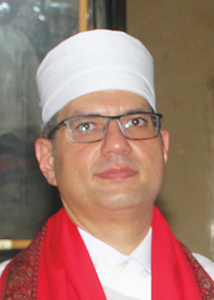 not causing any harm… As medical people, the first oath we take is ‘do no harm.’ If as a human being we follow the tenet of ‘do no harm’ or follow the simple tenets like good thoughts, words and deeds, the basic tenets of Zoroastrianism,” there would be no cross purposes, he reiterated. He was expressing his views in the program "Zoroastrianism and Death” that was aired as part of the "Heart and Soul” series on August 14 and again on August 16, the Shahenshahi New Year. The program can be accessed for a month from www.bbc.co.uk/programmes. A firm believer in prayers, JamaspAsa admitted, "There have been moments in my life, difficult periods, I have prayed and somehow or the other a solution comes up.”
Considering that some Zoroastrians also believe that death is so impure that it must not be touched by the living, how does the surgeon handle his medical responsibilities? "We almost never come in contact with the dead. As surgeons we operate on live patients… Even if a patient succumbs, a surgeon is always completely covered (in scrubs),” he responded.
He expounded on the Zoroastrian belief that a person is "part of an ongoing tussle between good and evil… The more good deeds you do whilst you live, you are defeating evil every step of the way and if you lead a good life all the way to the end, you have essentially been a soldier of Ahura Mazda” against his nemesis Angra Mainyu who causes disease and death. Did he consider the current pandemic the work of Angra Mainyu? asked Pelham. "Yes, very possible; there must be a reason/plan why this happened,” responded the High Priest who explained creation as the work of Ahura Mazda and death in the form of contagion, pathogen being brought on when the evil force Angra Mainyu is victorious.
Zoroastrians believe that the natural elements should not be polluted by a dead body. When asked why the mortal remains of his late father Dastur (Dr) Kaikhusroo who died in London were taken to Bombay to be consigned to the Towers of Silence his response was, "the only system that we follow is dakhmenashini… The after death rituals are for the soul, to help the transition across…”
The 27-minute podcast included the chanting of Zoroastrian prayers and music interludes of Queen legend Freddie Mercury’s famous song We are the champions and maestro Zubin Mehta and the Israel Philharmonic Orchestra playing Gustav Mahler’s Resurrection, Symphony No 2. A visit to the residence of Marzbeen and Paurushasp Jila and the Zoroastrian Centre in Harrow where Pelham met Malcolm Deboo, the president of the Zoroastrian Trust Funds of Europe, helped her gain further insights into the muktad and farvardegan prayers and the "all souls festival” observed by the community that celebrates life.