It seems the pandemic is not going to end soon. So how long are we going to delay the Bombay Parsi Punchayet (BPP) elections? How long will the three to two majority dominate the boardroom? The trustees are elected by the community but their loyalty seems to be to their mentor who is the mastermind behind their win. Is this what is expected from our candidates who made tall promises before the election?
The community is fed up with the present state of affairs in the BPP run by remote control. It is time elections were held, observing some protocol and following the requisite safety measures.
Candidates can publish their manifesto on posters, advertise through Parsi publications and hold Zoom meetings to interact with voters at different colonies. Technical arrangements can be made for online voting.
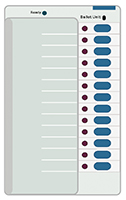 But the main issue is that people of talent and dignity are shying away from entering this murky arena. Since 2008, the first time many of us voted, we rejected persons of merit and voted for orthodoxy. This has hampered our progress and created conflicts in the community. Crores of rupees of public charity funds have been frittered away on fruitless litigation emptying the coffers of the trust and depriving the poor and the needy of their legitimate right to the benefit of the funds.
Each election drains about 25 to 40 lakh rupees from the BPP’s coffers. Hopefully, the costs may be curtailed to some extent.
Elections are conducted without a code of conduct as this suits the candidates who cannot be disqualified for corrupt practices or penalized for breach of rules. If we want to have a free and fair election, a code of conduct for elections must be drafted and legalized before the next poll.
Secondly, the voters’ register needs to be updated to include the names of all eligible voters and to delete the names of the deceased as also those who have migrated.
To keep the trustees vigilant and focused, the duration of the trustees’ term should be reduced to, say, four years. With the sword of Damocles hanging over their heads, they will be compelled to perform.
The security deposit of a paltry Rs 5,000 encourages fake candidates to enter the fray and divide the votes thereby diminishing the prospects of worthy candidates. If the deposit were to be increased to Rs 50,000 with a condition that it will be forfeited if the candidate fails to get a certain percentage of the total votes, say eight percent, it would deter fake candidates and bring additional income to the trust.
We expect not only austerity in spending but accountability and transparency from trustees. Many lawsuits could have been avoided had the trustees been made to pay from their own pockets. We expect them to prepare audited annual accounts, reports, budget, etc which are open to public scrutiny.
We urgently need to bring about these reforms. PIROJA HOMI JOKHI
piroja.jokhi@yahoo.com